
Searching the Ewing Court Docket
Ewing has no municipal docket of its own to search. The public route for state cases runs through JUSTICE Search. Pick Holt County there. Then choose County Court or District Court to match the case type. You can search by party name, year, case type, judge, attorney, or a court-assigned case number. One caution: the service covers the whole state. A town name alone will not narrow the results.
- Read the Ewing citation or court notice for the court, response date, and case or citation number.
- Search the party as an individual or entity, with Holt County selected.
- Choose County Court for ordinary traffic, infractions, misdemeanors, ordinance routing, probate, or small claims when that is the court named.
- Run a separate District Court search for felony, protection-order, domestic, broader civil, appeal, or transfer activity.
- Ask the Holt court clerk about the courthouse terminal and copy route if the online Ewing result is incomplete.
Results come back exactly as the court record spells them. Give new filings about a 24-hour lag before you expect them to appear. Some records stay restricted, sealed, juvenile, or unavailable under the rules that apply.
Ewing Directory Record and Limits
The Nebraska Secretary of State Cities and Villages directory lists Ewing in Holt County. It comes from the state's official city roster. Its entry gives Box 333, Ewing, Nebraska 68735-0333 and phone 402-626-7718. The street text is too thin to publish as a full municipal street address, so check the live directory before you visit. That listing is city contact information, not an Ewing court clerk directory. It is not a docket portal either. For the federal side, The District of Nebraska CM/ECF court-information page shows official federal court details.
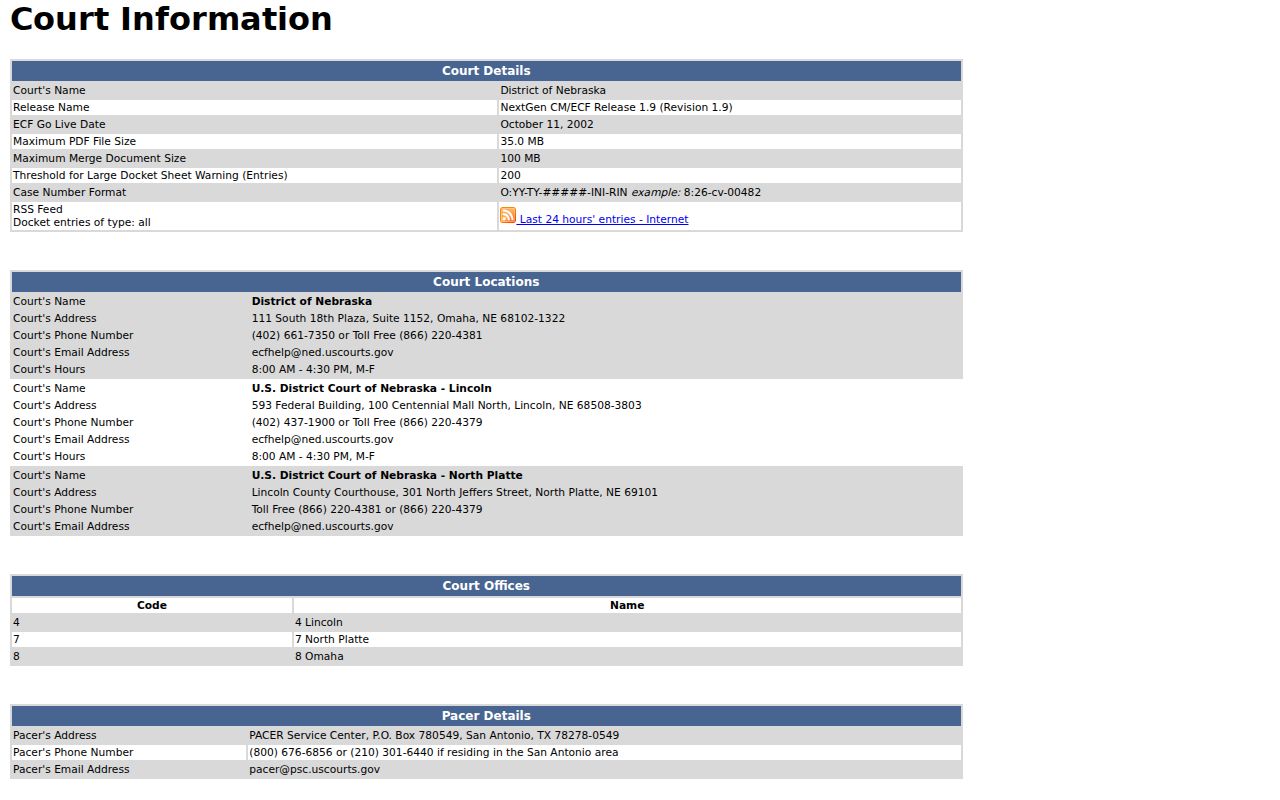
That federal material describes a separate court system. It cannot be used to infer an Ewing municipal court or a state docket search page for the town. For a state-court file, go by the court named on the Ewing paperwork. Holt County Court and Holt District Court keep their own official Judicial Branch contacts. Both sit in O'Neill.
Ewing Municipal Court Basics
Ewing publishes no official municipal website or docket page. With no confirmed court name, schedule, or portal for the town, those details stay unknown rather than guessed. Nebraska §24-517 sets the routing rule: city and village ordinance violations, traffic, misdemeanors, and other listed categories go through county court. So an Ewing ordinance or traffic matter may sit in Holt County Court. The citation itself controls. For any Ewing state-court record, the same channels work. Use the state court search, the calendar, the clerk, or the courthouse terminal.
Ewing Street Details Need Confirmation
One gap deserves a plain warning. Confirm any Ewing street address in the live Secretary of State directory. Check it before you publish or trust it. An unverified address weakens court travel advice. It also muddles city-government contact with court contact. The state-court offices that handle Ewing cases sit in O'Neill, and a case should go to whichever court fits its type. For court access, Holt County Court lists 204 North 4th Street, O'Neill, 402-336-1662. The District Court contact works from the same complex in Suite 6. Nothing in the Ewing city directory changes either court address.
Court Dates and Settings in Ewing
Confirm an Ewing court date with the Judicial Branch. Never use a municipal directory. The Nebraska Multi-Court Case Calendar pulls up current and future county or district settings. Search it by date or last name. Check the result against the Ewing citation, the court notice, and the register of actions. A reset, a continuance, or a data delay can shift a calendar entry. When the hearing matters, verify twice.
| Court | Choose Holt County Court or Holt District Court based on the case paper. |
|---|---|
| Date and time | Use the current official calendar, notice, or docket entry. |
| Setting type | The record may identify an appearance, hearing, trial, motion, or other event. |
| Case number | Use the number printed on the Ewing citation or court document if available. |
| Status | Later register entries may show a new date, disposition, or other case event. |
If a hearing is near, call the court directly. An empty calendar screen does not prove you have no Ewing court obligation.
Ewing Hearing-Date Verification
Laura Reynoldson is the Holt County Court clerk. The court's listed phone is 402-336-1662. Holt District Court lists Clerk Junior Young at 402-336-2840. An Ewing searcher should call the clerk for the court named on the case. Skip city contacts. None serves as a court office. The PACER announcement covers a federal record system and its fees.
That federal source draws a useful boundary. Ewing state hearing dates live in the Nebraska state calendar. Federal dates belong to the federal system.
Traffic Tickets in Ewing
Ordinary Ewing traffic cases usually travel the Holt County Court route. In JUSTICE, select Holt County and County Court, then search by party name. The citation tells you the court, the appearance date, and how to respond. Paying a ticket does not replace the docket search. An online receipt is not the full case record. The waiver form lets a person plead guilty and pay without appearing. That route works only when the citation is eligible. Payment must arrive before the appearance date. Some citations require an appearance. A not-guilty plea may be planned instead. In those cases, follow the court's instruction instead of assuming online payment works.
Ewing Citation Waiver Caution
Pay attention before you waive an Ewing citation. The official Nebraska ePayment FAQ warns that skipping court can bring added fees, a warrant, or a license suspension. So check the case number, eligibility, payment type, and posting time first. The DMV notes that online payments can take 24 hours or more to post. Keep your receipt.
Ewing runs no local waiver program or payment portal of its own. Use the state payment service only when the citation is eligible. Treat the court named on the citation as your main point of contact.
Know what a payment is. The state service separates a waiverable citation payment from a case payment. It is not a way to find every Ewing traffic case by town name. A court docket search still begins with JUSTICE. Choose Holt County, County Court, and the recorded party or case information. The payment may not post as expected. In that case, the official citation contact route sends questions to the county court where the citation was received. Do not assume an Ewing matter is closed. Confirm the response date against the citation and the court calendar before you rely on either one.
Where Ewing Cases Go
Ewing's location does not pick the court. County Court handles the ordinary cases. These include traffic, infraction, misdemeanor, ordinance, small-claims, probate, and other county-court categories when its jurisdiction applies. A felony may pass through county-court preliminary activity and then move forward under a district-court case number. District Court also carries the broader work. Its civil, domestic, protection-order, appeal, and transfer duties are described in the state structure.
Docket flow: Ewing city or village matter › Holt County Court when county-court jurisdiction applies › Holt District Court when district jurisdiction applies.
Search both courts whenever an Ewing case type may have crossed that line. Match filing dates, captions, and case numbers instead of joining similar names without confirmation.
Ewing Historical Record Limits
A missing online entry is not proof. It does not mean a case never existed. Older Ewing material may sit outside public view under retention law or court policy. An index entry can be public while the document image stays offline. Sealed, juvenile, adoption, protected-report, and similar confidential information is never ordinary public content. For a specific file, ask the clerk. The clerk can explain the available copy process. PACER's pricing FAQ lays out the federal fee boundary.
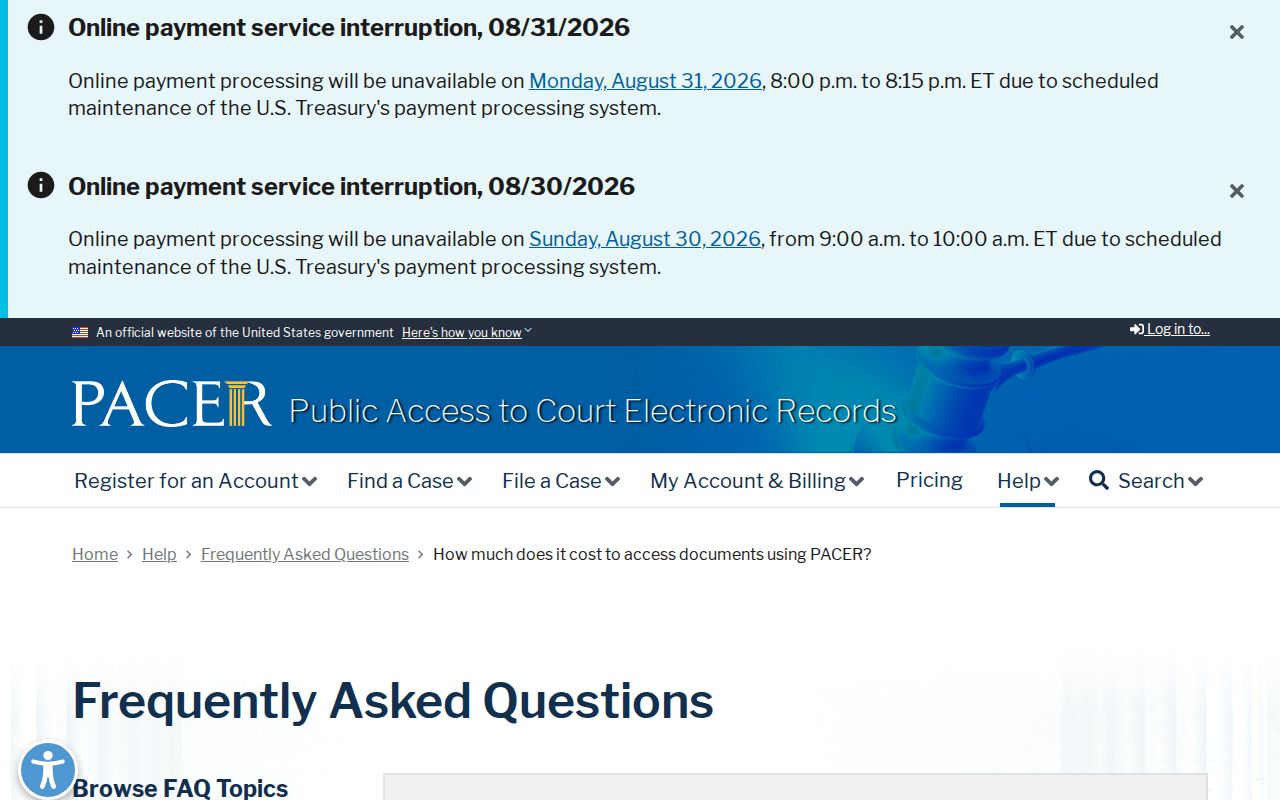
Those federal fees say nothing about Ewing state-court copy charges. The one takeaway is separation: federal records must be searched in their own system.
Ewing Court Record Access Rules
For a public Ewing state-court file, one rule controls. Article 8 sets the access rule. Rule §1-805 covers public indexes, summaries, registers, calendars, and document images where available. Rule §1-808 carves out sealed, confidential, and protected information. The Nebraska Public Records Act does not undo judicial sealing or statutory confidentiality.
Ewing public-record request. Give the responsible Holt clerk a case number, caption, court type, and document or date range. The county-court copy form lists $0.25 per photocopy page and $1 per seal. Confirm current costs and whether a record is releasable before relying on a fee estimate.
Think of Ewing access as four separate channels. They are the courthouse terminal, JUSTICE, a clerk request, and the calendar. Each answers a different question about a court case.
The Nebraska Public Records Act supplies an inspection and copying framework. It includes a response process for written requests. A court clerk, though, may still need to identify a particular file. Court-record rules still apply. Copy or certification cost still needs calculating, and protected material still gets withheld. That is why an Ewing request should name a specific court case whenever possible. A court index may be public while a document image is not remotely available. A historic courthouse file may also be unavailable through lawful retention. The responsible clerk can explain the right channel. That keeps your Ewing inquiry from turning into a general municipal-record request.
Ewing Population and Federal Boundary
Ewing counted 373 residents in the 2020 Census incorporated-place table. That number describes the community, nothing more. No local judicial database comes with it. A state docket search still runs through Holt County and the correct trial court. PACER pricing information describes federal record access and its fees.
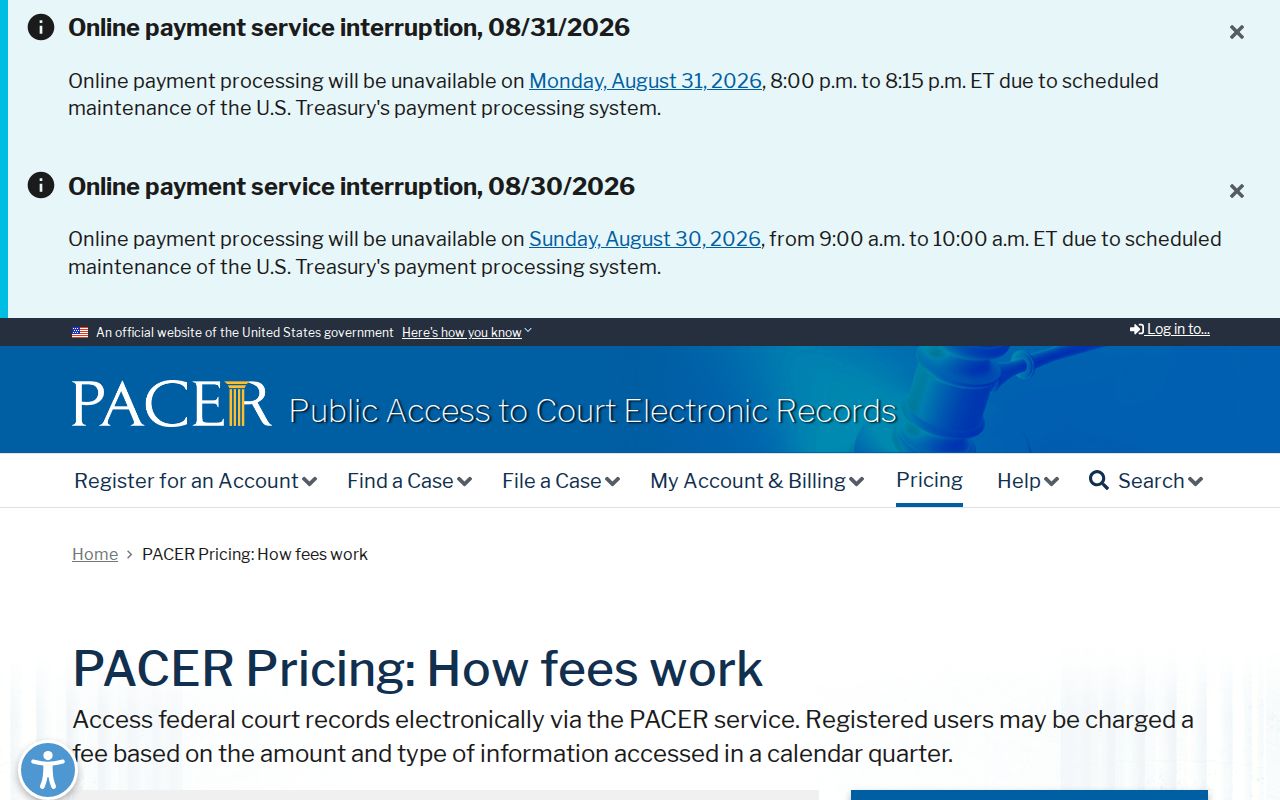
A federal civil, criminal, bankruptcy, or appellate matter tied to Ewing belongs in the federal system, not the Holt County state docket. For an Ewing state case, start with JUSTICE and the court named on the papers. The Eighth Circuit case-number search handles the federal appellate side.
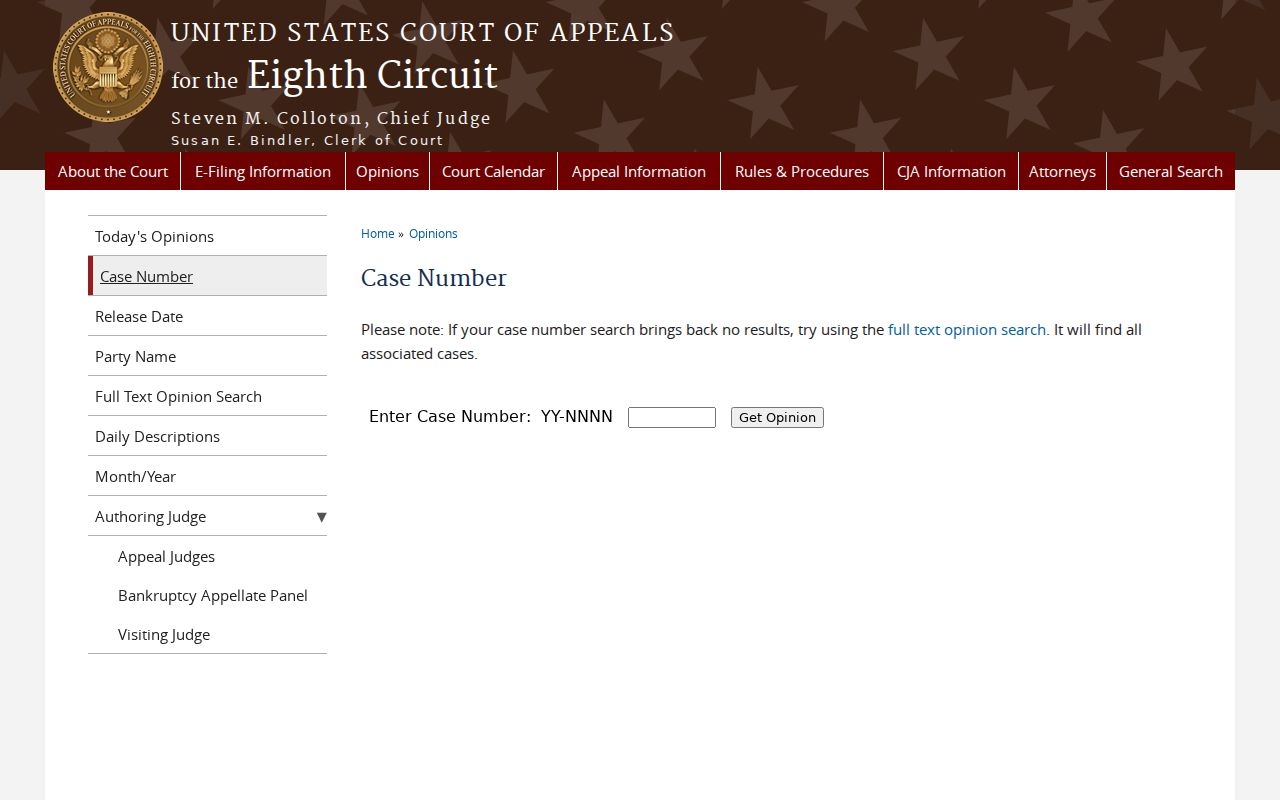
That appellate lookup stands apart from both the Ewing state-court docket and the federal district or bankruptcy PACER routes.
Ewing Court Terminal and Copy Limits
For an Ewing state-court case, the courthouse public terminal is a real alternative. It stands in for a remote JUSTICE search. It can help you spot the responsible court. It can also show the public case information available. The court's access restrictions stay in place. The terminal sits in the Holt courthouse, not in any Ewing office. Ask the clerk which court's terminal or file process applies before requesting copies.
Bring a complete Ewing case caption. Add the case number, the court type, and the document or date range you want. A court clerk can then tell a public index from a document image. The clerk can also tell a plain copy from a certified one, and an open file from one limited by sealing or retention. A precise request like that gets answers. It avoids a referral to municipal directory data that has nothing to do with court-record custody.
Ewing Court Case Search Fields
The state's official case-search form lets you slice an Ewing docket search several ways. Pick Holt County first. Then choose County Court or District Court. From there you can narrow the results. Filters include Party Name, Case Year, Case Type, Case Subtype, Judge, Attorney Name, and the sort controls. The form also asks whether the party is an individual or an entity, so match that choice to the case you want. Spelling counts here. If an exact Ewing name entry returns nothing useful, try the last name alone.
Keep in mind that these fields reach court records, not Ewing city records. A payment screen will not yield a case number. The same goes for a postal listing or a municipal phone contact. Nor will these give you a court type. Once you spot the likely entry, treat each source as a separate check. Use the register of actions, the current calendar, the citation, and the clerk. Together they show the case's setting, access status, and available records.